
For countless patients across Europe, managing daily medication regimens can be a significant challenge. Forgetting a dose, taking the wrong pill, or mistiming medication can undermine treatment effectiveness and lead to serious health complications. This issue of medication non-adherence is a pervasive problem, one that has profound implications for individual well-being and the efficiency of our healthcare systems.
We often discuss the cost of non-adherence, which, in Europe alone, can reach 100 billion Euros annually in unnecessary hospital admissions. At HCPC Europe, we see packaging as more than just a container; it’s a critical communication tool, directly influencing patient behavior and treatment success. Understanding the nuances between different packaging solutions, like pre-filled versus multi-compartment blister packs, is essential for improving patient medication compliance and adherence.
Our focus is always on practical, packaging-based innovation that helps patients take their medications as prescribed, ensuring the right dose, the right time, and the right duration. Let’s explore how these specific packaging types work to improve health outcomes.
What is blister packaging in pharmacy?
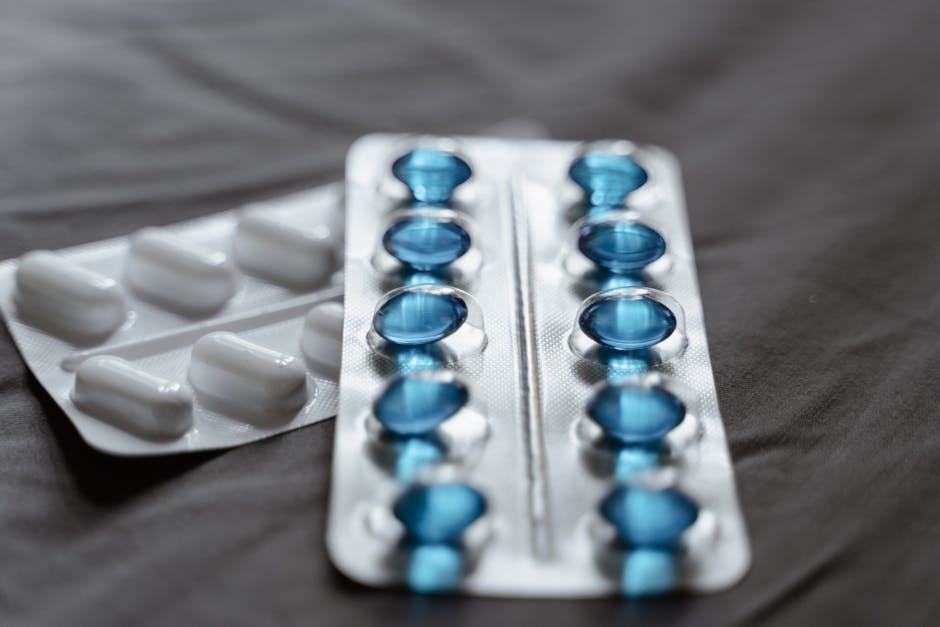
Blister packaging in pharmacy refers to a common form of unit-dose packaging where individual doses of medication are sealed within a cavity or “blister” made of thermoformed plastic, typically backed by a foil lid. This design protects each pill from environmental factors like moisture and contamination while making it easy for patients to access a single dose at a time.
This type of packaging is widely adopted across the pharmaceutical industry for its ability to maintain drug stability and integrity, while also offering a clear visual cue for patients. As the National Institutes of Health (NIH) explains, unit-dose packaging can enhance patient safety by reducing medication errors, a crucial consideration in complex healthcare environments. Blister packs stand in contrast to bulk packaging, such as bottles, by offering individual protection and a more structured approach to medication dispensing.
How do pre-filled and multi-compartment blister packs work?
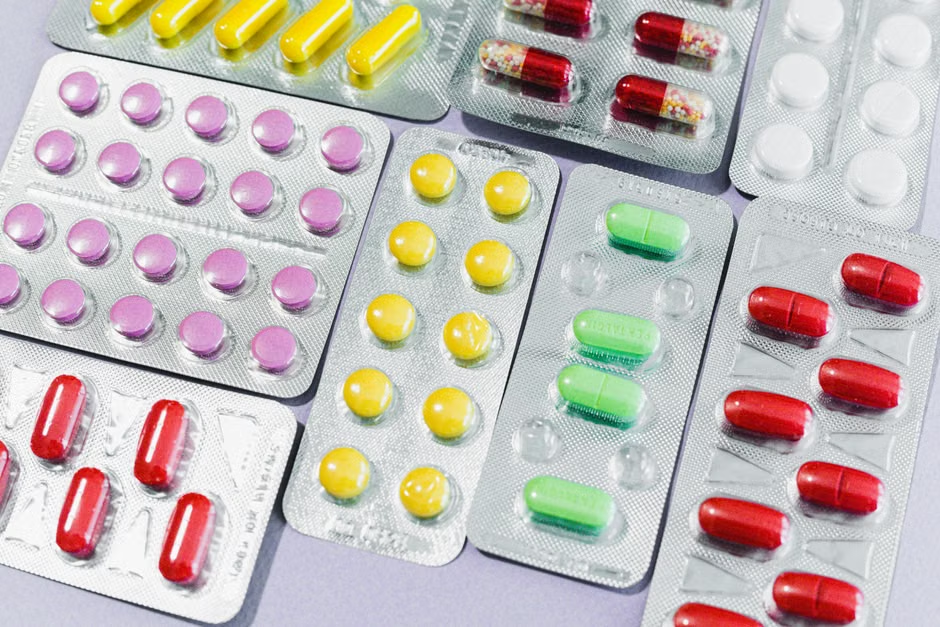
Pre-filled blister packs come from the manufacturer with medication already sealed, offering consistent dosing and tamper resistance. Multi-compartment blister packs, often prepared by pharmacists or healthcare providers, organize multiple medications for a patient into compartments arranged by day and time, simplifying complex regimens.
Both types of blister packs are compliance-enhancing packaging designs because they provide clear visual cues and a structured approach to medication intake. Pre-filled packs streamline the dispensing process from the manufacturer’s end, reducing the risk of contamination and ensuring dosage accuracy. They’re typically used for a single drug where a regular, set dose is required, like a course of antibiotics or a monthly contraceptive pill. The patient simply pushes out one pill at a time.
Multi-compartment blister packs take this concept further, serving as a personalized medication organizer. They present all medications a patient needs for a specific time slot (e.g., “Monday morning”) in one easy-to-access compartment. This reduces the cognitive load on patients, particularly those managing polypharmacy. In our work supporting pharmaceutical manufacturers and healthcare practitioners across Europe, we find that this practical, packaging-based innovation can significantly improve medication adherence, especially for those with chronic conditions.
“Multi-dose packaging systems have been shown to be effective in improving medication adherence, particularly among older adults and those with complex medication regimens, by simplifying the daily process of taking medications.”
What are the benefits of adherence packaging like blister packs?
Adherence packaging like blister packs provides crucial benefits by making medication regimens easier to understand and follow. They reduce the chance of missed or incorrect doses, enhance patient safety, and empower individuals to manage their health more effectively, leading to better overall treatment outcomes.
The advantages extend beyond individual patient convenience. For healthcare systems and pharmaceutical manufacturers, these designs translate into better outcomes for patients and healthcare systems alike. We’ve seen first-hand how patient-friendly and patient-centered medication packaging can make a real difference. Key benefits include:
- **Improved Adherence Rates:** Visual reminders drastically cut down on forgotten doses, helping patients take their medications as prescribed.
- **Reduced Medication Errors:** Clearly labeled compartments for specific days and times minimize confusion, preventing accidental double-dosing or skipped medications.
- **Enhanced Patient Safety:** Individual sealing protects drugs from environmental degradation and tampering, ensuring medication efficacy until the point of use.
- **Increased Independence:** Patients, particularly the elderly or those with cognitive challenges, can manage their own medication without constant caregiver intervention.
- **Streamlined Dispensing:** Pharmacists can organize complex regimens efficiently, saving time and reducing their own error rates.
- **Cost Reduction:** By preventing non-adherence, these packs contribute to a reduction in costly hospital admissions and emergency room visits, a statistic reinforced by findings presented at the Fleming Europe’s Pharma Packaging & Labelling Compliance Conference.
Our Research & Best Practices program continually gathers evidence supporting these claims, showing that practical packaging solutions lead to tangible improvements. For example, the European Society of Cardiology notes that improved adherence to cardiovascular medications can lead to a 25% risk reduction for major adverse cardiovascular events.
When are other packaging solutions or approaches more suitable?
While blister packs offer significant advantages for adherence, they aren’t a universal solution. Other packaging, like traditional bottles, might be more suitable for medications taken on an “as-needed” basis, or those requiring very high counts of a single tablet that would make blister packs cumbersome. Similarly, certain medications with specific stability requirements, like those that degrade rapidly once opened, might benefit from alternative protective packaging or dispensing systems.
We know that one-size-fits-all approaches rarely succeed in the real-world healthcare context. For instance, a patient taking a single vitamin supplement daily might find a simple bottle perfectly adequate. Large format or very fragile pills might also not fit well into standard blister pack cavities. Furthermore, for some liquid medications or injectables, sterile vials, pre-filled syringes, or specialized pump dispensers are clearly the more appropriate and safer choices. Renato Lemay, a contributor to HCPC Europe, often emphasizes the need to consider the specific drug, patient, and clinical context when designing packaging solutions. Our Columbus Award program, which has recognized packaging excellence for over a decade, celebrates innovations across a wide spectrum of packaging types, acknowledging diverse needs.
“Effective medication packaging must consider not only patient adherence but also drug stability, supply chain efficiency, and regulatory compliance. A holistic view ensures that packaging truly supports patient safety and treatment efficacy.”
What practical tips help patients use blister packs effectively?
To maximize the benefits of pre-filled or multi-compartment blister packs, patients should store them correctly, understand the labeling, and involve their caregivers or pharmacists as needed. Simple habits can reinforce the compliance-enhancing design.
We believe that turning knowledge into action is key for optimal patient outcomes. Here are some practical tips we often recommend to facilitate the use of packaging solutions:
- **Store as Directed:** Keep blister packs in a cool, dry place away from direct sunlight and out of reach of children. Adhere strictly to any temperature or light-sensitive storage instructions.
- **Understand the Labeling:** Take time to review the days, dates, and times printed on the pack. If anything is unclear, don’t hesitate to ask your pharmacist or healthcare provider.
- **Check for Missing Doses:** Visually inspect the pack each day. The empty blisters serve as a powerful reminder of what has been taken and what remains.
- **Involve Caregivers:** If you have a caregiver, ensure they understand your medication schedule and how to use the blister pack. This can create a crucial support system.
- **Plan for Travel:** If traveling, keep your blister pack in its original packaging and carry it in your hand luggage with a copy of your prescription, especially for international travel.
- **Never Alter the Pack:** Do not try to cut individual doses out of the pack or transfer pills to other containers unless explicitly instructed by a pharmacist. This maintains drug integrity and can prevent errors.
By following these guidelines, patients can gain confidence and control over their medication schedule, significantly improving their health journey. Our experience collaborating with pharmaceutical manufacturers and healthcare policymakers confirms that proper patient education, alongside innovative packaging design, forms the cornerstone of effective medication management.
Ultimately, the choice between pre-filled and multi-compartment blister packs, or even other packaging formats, hinges on a careful assessment of patient needs, medication complexity, and desired outcomes. Our commitment at HCPC Europe is to continue promoting and recognizing packaging innovations that demonstrably improve patient compliance, driving better health outcomes and a more efficient healthcare landscape across Europe. We believe that through collaboration and the application of proven best practices, we can help ensure every patient receives the full benefit of their prescribed treatment.