
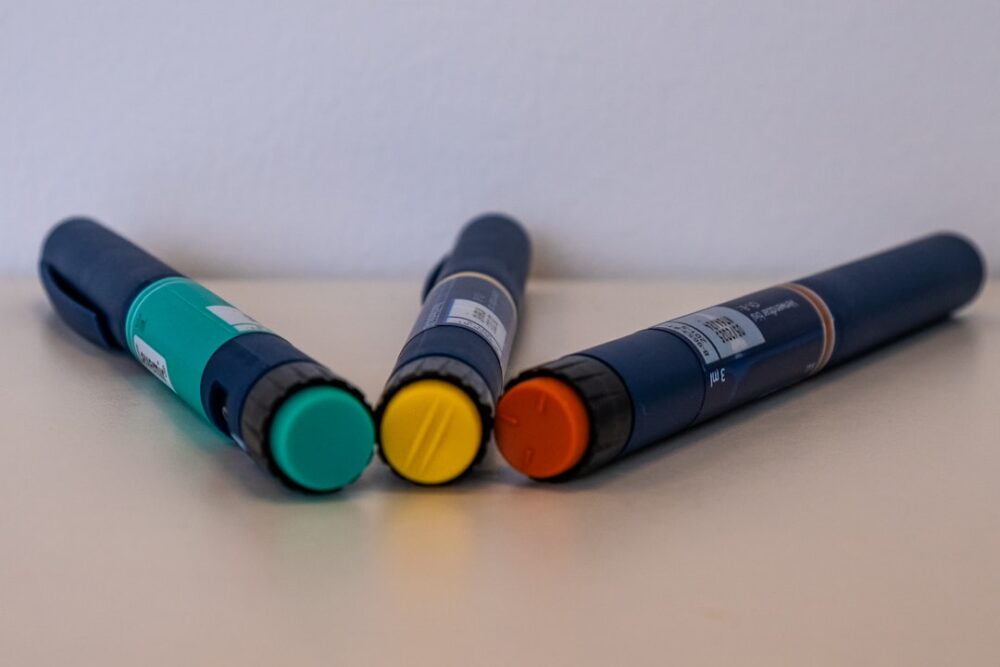
Living with a chronic disease like diabetes, cancer, or hypertension often means navigating a complex treatment regimen. Patients are expected to remember specific doses, timings, and durations for multiple medications, sometimes for the rest of their lives. When these instructions aren’t followed precisely, we see a significant impact on health outcomes and an increased burden on healthcare systems. It’s a challenging reality for millions across Europe, where the long-term management of these conditions is paramount to quality of life.
Understanding the patterns of medication adherence—or lack thereof—across these diverse conditions is crucial for developing effective interventions. We know that poor adherence isn’t a simple oversight; it’s a multifaceted problem influenced by patient factors, healthcare system structures, and crucially, the tools we provide to support patients. Identifying common hurdles and success stories helps us refine our approach.
At HCPC Europe, we are deeply committed to improving patient medication compliance and adherence. We believe that packaging is not just a container, but a communication tool that can directly influence patient behavior and the success of treatment. Through practical, packaging-based innovation, we facilitate better outcomes for patients and healthcare systems by helping patients take their medications as prescribed. Our mission drives us to explore how packaging design can bridge the gap between prescribed treatment and real-world adherence, an area we constantly strive to improve as detailed on our homepage on patient compliance.
What is medication adherence in chronic disease management?
Medication adherence in chronic disease management means consistently taking medications exactly as prescribed by a healthcare professional—the right dose, the right time, and for the right duration. This involves not only starting a medication but also persisting with it over time and implementing it correctly, reflecting a patient’s active partnership in their own health journey.
For individuals managing chronic conditions like diabetes or various forms of cancer, adherence is often the bedrock of treatment effectiveness. When patients deviate from their prescribed regimen, whether by missing doses, taking them incorrectly, or stopping prematurely, the therapeutic benefits diminish. This can lead to disease progression, complications, and a reduced quality of life. The World Health Organization (WHO) has highlighted that improving adherence to long-term therapies is one of the most effective ways to improve health outcomes, stating that adherence for chronic diseases averages only 50% in developed countries. This statistic underscores the pervasive nature of the problem, impacting everything from type 2 diabetes management to complex prostate cancer treatment plans.
Defining “adherence” precisely is critical. It encompasses initiation (taking the first dose), implementation (taking doses as prescribed over the treatment course), and persistence (continuing treatment for the prescribed duration). We distinguish it from “compliance,” which sometimes carries connotations of passive obedience. Adherence acknowledges the patient’s active role and decision-making in their health. Understanding these nuances helps us design more patient-friendly and patient-centered medication packaging that truly supports the patient.
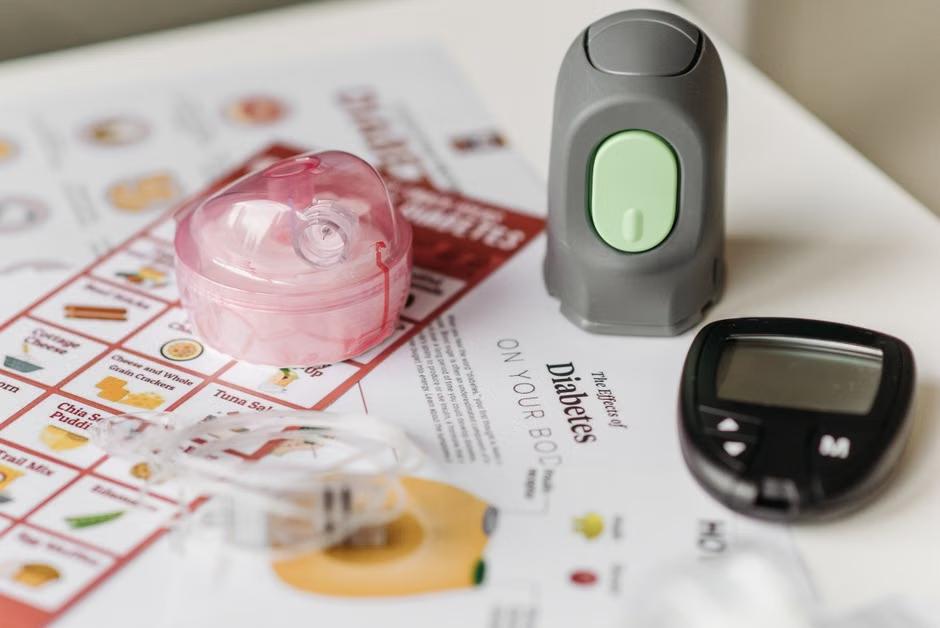
How does packaging design influence adherence for chronic diseases?
Pharmaceutical packaging is a critical communication tool that can significantly influence patient behavior and adherence to treatment regimens for chronic diseases. Well-designed packaging simplifies complex instructions, provides visual cues, and improves usability, thereby helping patients consistently take the right dose, at the right time, and for the right duration.
In our practice, we’ve seen firsthand how thoughtful packaging can transform the patient experience. Consider the difference between a simple pill bottle with a long text label and a blister pack that clearly shows which dose to take on which day. The latter provides a visual roadmap, reducing cognitive load and the potential for errors. This is particularly vital for conditions requiring daily, multi-drug regimens, such as many diabetes or hypertension treatments, or the often intensive and sequential therapies for various cancers.
Effective compliance enhancing packaging design incorporates several key elements:
- Daily Dose Reminders: Blister packs or calendarized packaging that explicitly mark doses for specific days or times of day.
- Clear Labeling and Instructions: Using large, legible fonts, universal symbols, and concise language to convey crucial information.
- Color-Coding: Differentiating between multiple medications or doses within a regimen, helping patients manage polypharmacy.
- Ergonomics and Usability: Easy-to-open containers, especially for patients with dexterity issues (common in older populations or those with specific cancer treatments), and child-resistant yet adult-friendly features where needed.
- Portability: Packaging designed for discreet and convenient transport, encouraging adherence even when away from home.
- Integration with Devices: Smart packaging or connected devices that can track usage and provide reminders, linking to digital health solutions.
Our work at HCPC Europe, particularly through initiatives like the Columbus Award, consistently highlights packaging innovations that address these challenges. These designs move beyond mere containment, evolving into crucial partners in patient education and self-management. We recognize award winners who have demonstrated real-world impact, integrating practical, packaging-based innovation into the daily lives of patients across Europe. For example, some designs focus on making insulin pens easier to handle or creating intuitive dose counters for specific cancer medications.
“Half of patients with chronic diseases do not take their medication, and this absenteeism costs Europe 100 billion Euros per year in unnecessary hospital admissions. When patients follow treatments correctly, everyone benefits: improved treatment effectiveness, reduced risk of complications, lower healthcare costs.”
What challenges reduce medication adherence for patients with diabetes or cancer?
Patients managing chronic conditions face numerous barriers that can reduce their ability to adhere to prescribed medication regimens. These challenges are often complex and interconnected, ranging from personal beliefs to systemic issues, making a holistic approach essential for improvement.
We see common patterns across different diseases. For patients with diabetes, especially type 2 diabetes, managing blood sugar often involves multiple daily medications, dietary changes, and regular monitoring. Similarly, cancer treatments, from chemotherapy to targeted therapies, frequently require precise timing and can come with significant side effects. These factors compound the difficulty of maintaining consistent adherence.
Here are some of the primary challenges that contribute to reduced adherence:
- Complex Regimens: Taking multiple medications at different times, often with specific instructions regarding food or other medications, can be overwhelming. This is particularly true for conditions like advanced pancreatic cancer or multi-drug regimens for hypertension, or when patients have co-morbidities.
- Side Effects: Unpleasant side effects, such as nausea from chemotherapy, fatigue, or gastrointestinal issues, often lead patients to intentionally reduce or stop medication to alleviate discomfort.
- Lack of Understanding: Patients may not fully understand their condition, the purpose of their medication, or the importance of adherence, especially for conditions where symptoms are not immediately apparent, like early-stage colorectal cancer or controlled hypertension.
- Cost of Medication: High prescription costs can be a significant barrier, forcing patients to ration doses or forgo refills, which is a major concern in various European healthcare systems despite different subsidy models.
- Forgetfulness: Simply forgetting to take doses is a common issue, especially for medications taken multiple times a day. Busy schedules, changes in routine, and cognitive impairment can all play a role.
- Psychological Factors: Depression, anxiety, and a feeling of being overwhelmed by their diagnosis can impact a patient’s motivation and ability to manage their treatment effectively. Denial of illness can also hinder adherence, particularly for asymptomatic conditions.
- Social and Environmental Factors: Lack of social support, difficulty accessing pharmacies, or cultural beliefs surrounding medication can all create obstacles to consistent adherence.
Addressing these challenges requires a multi-pronged strategy that goes beyond simply telling patients to take their pills. It involves empathetic communication, patient education, and practical support, often through innovative packaging solutions and coordinated care. We continually collaborate with pharmaceutical manufacturers and healthcare practitioners to develop solutions that address these real-world healthcare context issues. This includes promoting research and best practices that highlight effective strategies for improving patient outcomes.
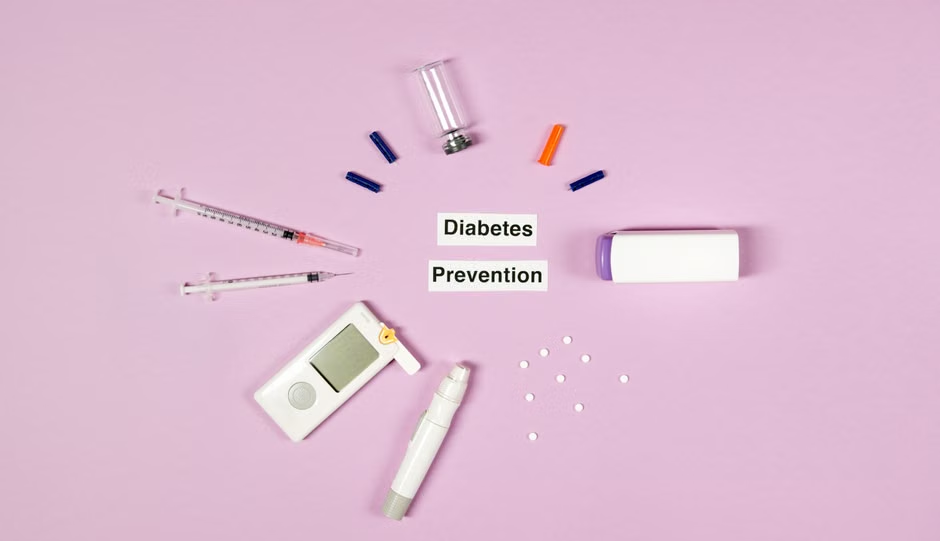
What counseling techniques enhance medication adherence?
Effective counseling techniques are vital for improving medication adherence, focusing on patient empowerment, education, and addressing individual barriers. Instead of simply instructing, these techniques foster a collaborative relationship, helping patients integrate medication management into their daily lives.
One of the most effective strategies is motivational interviewing. This patient-centered approach helps individuals explore and resolve their ambivalence about taking medication. It focuses on eliciting the patient’s own reasons for change rather than imposing them. By asking open-ended questions and reflecting on their concerns, healthcare providers can help patients identify their personal goals and connect them to their treatment plan. This technique proves particularly powerful when discussing chronic conditions like hypertension, where the benefits of adherence might not be immediately felt, or with the ongoing management of prostate cancer, which involves long-term commitment.
Another crucial technique is shared decision-making. Here, patients and providers work together to make treatment decisions that align with the patient’s values, preferences, and lifestyle. This might involve discussing alternatives, adjusting medication schedules, or finding ways to mitigate side effects. When patients feel they have a voice in their treatment plan, they are far more likely to adhere to it. For instance, a patient managing type 2 diabetes might prefer an oral medication over injections, and discussing this preference can lead to a more sustainable treatment plan.
We’ve also seen the benefits of simplified dosing regimens and packaging enhancements. While not a counseling technique in itself, recommending simpler medication schedules and utilizing adherence-enhancing packaging can significantly support adherence. Board-certified providers often recommend interventions like daily or weekly pill organizers, digital reminders, or even calendarized blister packaging. For some, incorporating reminders into existing routines, like taking medication with a meal or during a specific daily activity, can be highly effective. These practical, packaging-based innovation elements facilitate the use of packaging solutions designed to help patients take their medications as prescribed.
“The vast majority of patient non-adherence is unintentional, stemming from factors like forgetfulness, misunderstanding instructions, or the complexities of managing multiple medications. Effective patient education, simplified regimens, and supportive packaging are key to overcoming these barriers.”
Practical Tips for Enhancing Adherence in Chronic Disease
Improving medication adherence is an ongoing process that benefits from practical, patient-centered strategies. Here are some actionable tips we recommend:
- Simplify the Regimen: Work with your healthcare provider to streamline your medication schedule as much as possible. Can multiple medications be taken at the same time? Are there once-daily options available? Reducing complexity lessens the chance of errors.
- Use Visual and Digital Aids: Utilize pill organizers, smartphone apps with medication reminders, or smart dispensers. These tools act as external cues, minimizing forgetfulness, which is especially helpful for complex regimens like those for pancreatic cancer.
- Educate Yourself (and Ask Questions!): Understand what each medication is for, how it works, and potential side effects. Don’t hesitate to ask your pharmacist or doctor questions. Knowledge empowers you to manage your health effectively.
- Connect Medications to Daily Routine: Integrate medication taking into established habits, such as brushing your teeth, eating breakfast, or going to bed. This creates a powerful mnemonic link.
- Monitor and Review Regularly: Keep track of your medication intake and any side effects. Discuss adherence challenges openly with your healthcare team during appointments. They can adjust your plan or offer new strategies.
- Utilize Patient-Friendly Packaging: Look for packaging innovations that clearly label doses, use color-coding, or offer calendarized formats. These compliance enhancing packaging designs can significantly ease the burden of remembering dosages and timings. HCPC Europe frequently highlights exemplary packaging designs that enhance patient safety through packaging.
Realistic Expectations and Outcomes from Improved Adherence
Improving medication adherence isn’t about achieving perfection overnight; it’s about consistent progress that leads to better health outcomes over time. When patients consistently take their medications as prescribed—the right dose, the right time, the right duration—we see tangible benefits within weeks or months, depending on the condition.
For diabetes, consistent adherence can lead to more stable blood glucose levels, often reflected in improved HbA1c readings within 3-6 months. This reduces the immediate risks of hyperglycemia and, crucially, lowers the long-term risk of severe complications like neuropathy, nephropathy, and cardiovascular disease. For hypertension, adherence often results in stabilized blood pressure readings within a few weeks, significantly reducing the risk of heart attack and stroke. The European Society of Cardiology notes that improved adherence can lead to a 25% cardiovascular risk reduction.
In cancer treatment, especially for long-term oral therapies or maintenance drugs, adherence is directly linked to treatment efficacy and preventing disease progression. While the timeline for specific outcomes can vary greatly depending on the type and stage of cancer (e.g., prostate cancer, colorectal cancer, pancreatic cancer), consistent adherence ensures the medication has the best chance to do its job. Patients often experience a reduction in disease symptoms, improved quality of life, and in many cases, extended progression-free survival.
Across the board, improved adherence also leads to fewer hospitalizations, emergency room visits, and overall healthcare costs. We’ve seen instances where better compliance contributes to a 40% reduction in ER visits for chronic conditions. This isn’t just theory; these are real-world impacts documented through our work in European healthcare systems and our collaborations with industry leaders, as showcased by our annual Columbus Award which recognizes practical, packaging-based innovation in the pharmaceutical sector. Our focus is always on turning knowledge into action, to facilitate better outcomes for patients and healthcare systems by helping patients take their medications as prescribed.
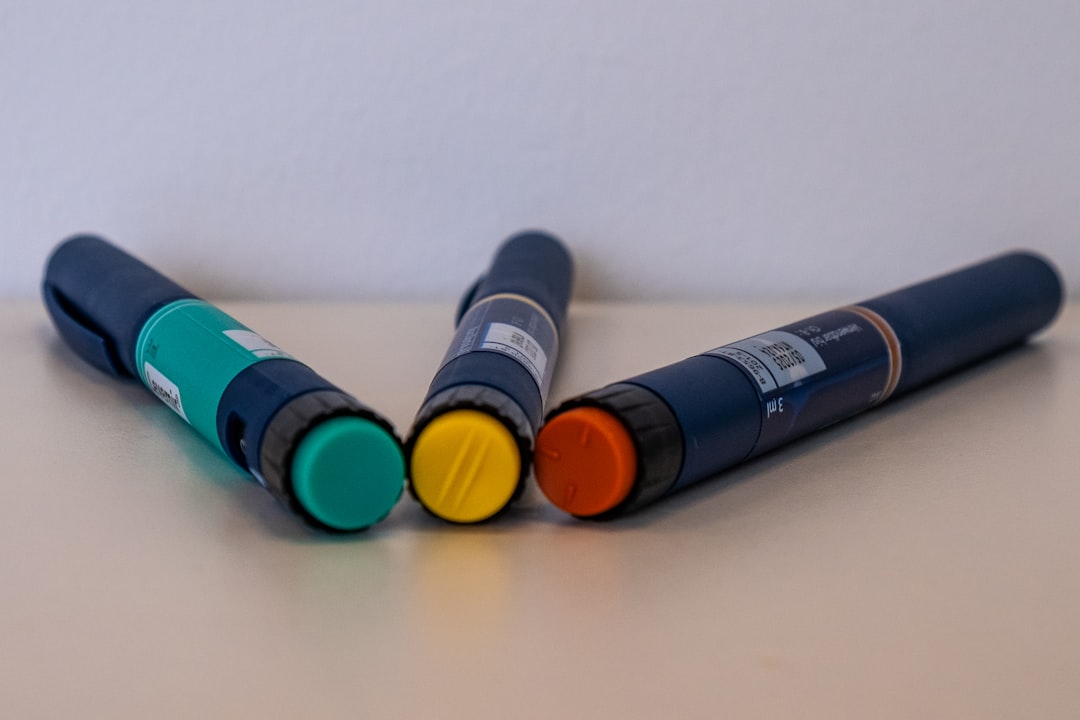
Ultimately, enhancing patient medication adherence for chronic diseases like diabetes, cancer, and hypertension is a collective responsibility, requiring collaboration between pharmaceutical manufacturers, healthcare providers, and policymakers. By focusing on patient-friendly and patient-centered medication packaging and deploying effective communication strategies, we can reduce the significant human and economic toll of non-adherence. Our commitment at HCPC Europe is to continue championing practical, packaging-based innovation that facilitates the use of packaging solutions, leading to better outcomes for patients across Europe and strengthening the overall resilience of our healthcare systems. We believe that through continuous research and the sharing of best practices, such as those presented at various industry conferences, we can continue to advance patient safety through packaging and support a future where every patient can take their medications as prescribed. For more insights into our initiatives and awards, please visit HCPC Europe’s main site.