
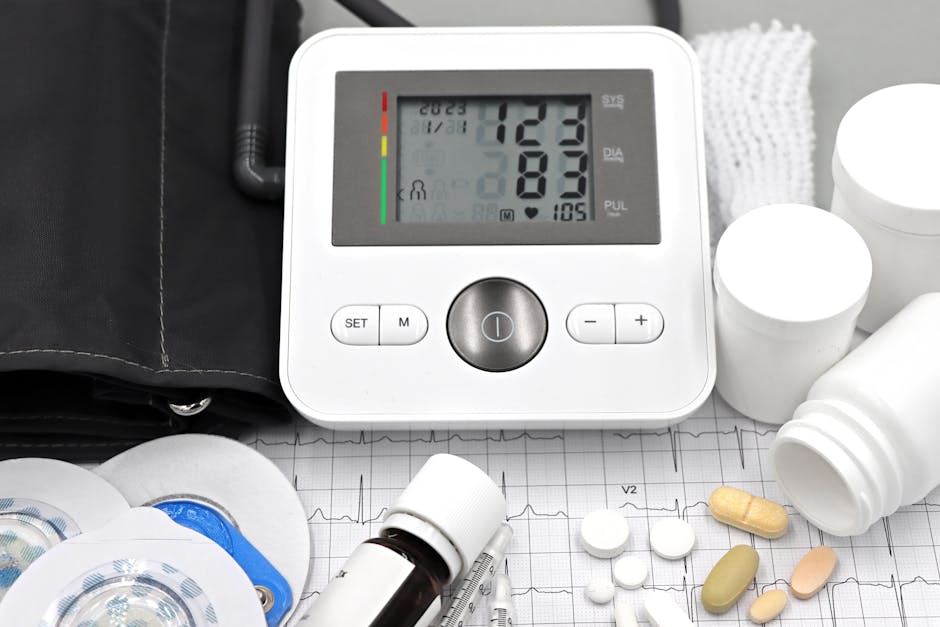
Living with a chronic condition like high blood pressure, or hypertension, often means managing daily medication. Yet, despite the clear health benefits, many patients struggle to take their medication as prescribed. This challenge of medication non-adherence isn’t just a personal hurdle; it’s a significant public health issue with far-reaching consequences across European healthcare systems.
We understand the complexities involved in helping patients adhere to their treatment plans. At HCPC Europe, we’re dedicated to improving patient medication compliance through practical, packaging-based innovation. Our focus is on ensuring patients take the right dose, at the right time, for the right duration. The economic impact of non-adherence alone is staggering, costing Europe an estimated 100 billion Euros per year in unnecessary hospital admissions, as we’ve explored in detail.
The good news? Thoughtful packaging design can make a profound difference. Research, including insights from the European Society of Cardiology, strongly suggests that how medication is presented directly impacts patient behavior and treatment success. We believe packaging is not just a container, but a communication tool, vital for helping patients take their medications as prescribed and ultimately leading to better outcomes for patients and healthcare systems.
What is Medication Adherence and Why Does It Matter for High Blood Pressure?
Medication adherence refers to the extent to which a patient takes medication as prescribed by their healthcare provider. For high blood pressure, maintaining consistent adherence is critical because hypertension is often asymptomatic, meaning patients might not feel unwell even when their blood pressure is dangerously high. Uncontrolled high blood pressure significantly increases the risk of heart attack, stroke, kidney disease, and other serious cardiovascular events.
In our practice, we’ve seen countless cases where improved adherence directly correlates with better patient outcomes. The World Health Organization (WHO) states that adherence to long-term therapies for chronic illnesses averages only 50% in developed countries, a figure that underscores the global challenge we face. Ensuring patients with high blood pressure take their daily medication is a cornerstone of preventing severe complications and improving overall quality of life.
“Patients who consistently take their prescribed antihypertensive medications significantly reduce their risk of major cardiovascular events. Adherence isn’t just about compliance; it’s about active participation in one’s health journey.”
How are prescriptions packaged in Europe?
In Europe, pharmaceutical packaging varies widely but commonly features blister packs, bottles, and cartons designed for patient safety and product integrity. Regulations from bodies like the European Medicines Agency (EMA) guide these practices, focusing on tamper-evidence, child-resistance, and clear labeling to facilitate the right dose, the right time, and the right duration.
While standard practices prioritize safety and information, they don’t always inherently optimize for patient compliance. We see a significant opportunity to move beyond mere regulatory compliance to patient-centered design. This means considering how a patient interacts with the package in their daily life. Factors like legibility of instructions, ease of opening for those with dexterity issues, and discreet portability for those managing conditions like high blood pressure on the go are all crucial elements.
What packaging interventions increase medication adherence?
Effective packaging interventions go beyond basic safety, actively helping patients take their medications as prescribed. These innovations often incorporate visual cues, dose tracking mechanisms, and ergonomic designs to simplify complex regimens and support patient understanding. We’ve seen firsthand how thoughtful design can turn knowledge into action.
From our extensive research and collaboration with industry partners, we’ve identified several compliance-enhancing packaging designs. We promote practical, packaging-based innovation that directly addresses common barriers to adherence. The Columbus Award, which we’ve administered for over 10 years, recognizes leading examples of such innovation, demonstrating real-world impact.
Blister packs and medication adherence
Blister packs are a widely used form of adherence packaging, organizing individual doses by day or time. This format significantly improves patient compliance by providing a clear visual reminder of whether a dose has been taken. Studies consistently show that well-designed blister packs can reduce medication errors and improve persistence with treatment, especially for regimens involving multiple daily doses or varying schedules.
We’ve analyzed how specific packaging design elements within blister packs — such as printing, color-coding, and even the tactile experience of pushing out a pill — can influence patient behavior. For instance, a clear progression of days or doses can act as a silent, ever-present reminder for patients managing their high blood pressure medication. This patient-friendly and patient-centered medication packaging isn’t just about convenience; it’s about empowering patients.
Which of the following are key aspects of medication safety?
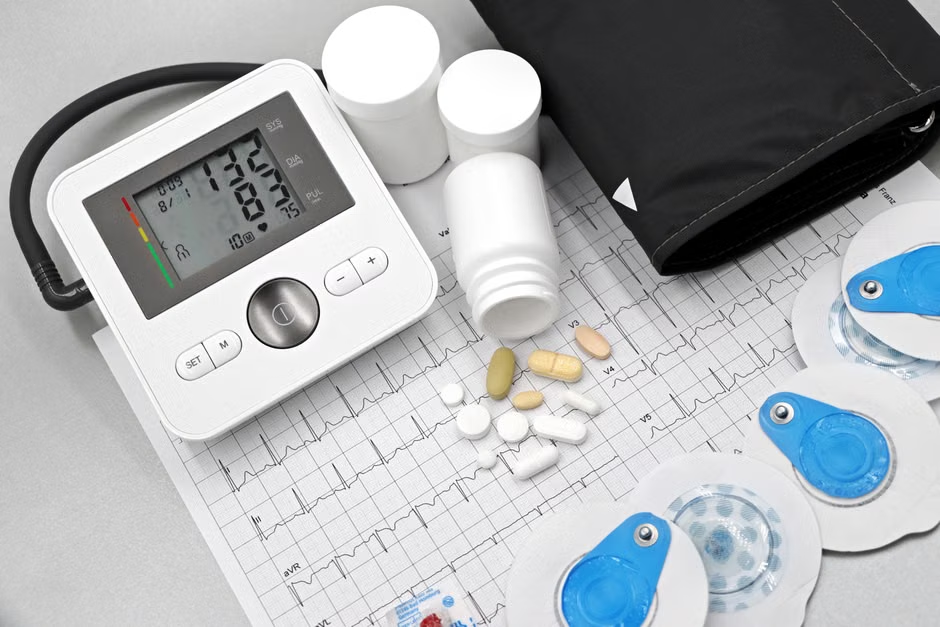
Key aspects of medication safety encompass everything from accurate prescribing and dispensing to patient education and packaging that prevents errors. This includes clear labeling, tamper-evidence, child-resistance, and ensuring the stability and integrity of the medication itself. Safe medication practices are foundational to all healthcare.
However, medication safety extends beyond preventing harm; it also includes ensuring the medication works effectively. When patients don’t take their high blood pressure medication as prescribed, even the safest drug becomes ineffective. This is why our work at HCPC Europe emphasizes packaging as a critical component of safety. It’s about empowering patients to correctly follow treatments, minimizing the risk of adverse events due to non-adherence, and maximizing the therapeutic benefit.
“Medication safety involves a holistic approach, ensuring not only that the right drug is given to the right patient at the right dose and time, but also that the patient adheres to that regimen for optimal outcomes. Packaging plays an often-underestimated role in this adherence.”
What To Look For: Signs That Packaging Could Be Hindering Adherence
Sometimes, the very design meant to protect medication inadvertently creates barriers for patients. Identifying these challenges is the first step toward improving compliance. Here’s what we look for:
- **Confusing Instructions:** Small font, dense text, or ambiguous language that makes understanding dosage schedules difficult.
- **Difficulty Opening:** Child-resistant features that are too challenging for elderly patients or those with arthritis.
- **Lack of Visual Cues:** Packaging that doesn’t easily show if a dose has been taken or is due, especially for multi-dose regimens like high blood pressure medication.
- **Poor Portability:** Bulky or non-discrete packaging that makes it inconvenient for patients to carry their medication throughout the day.
- **Inconsistent Branding/Appearance:** If a patient receives refills with drastically different packaging, it can lead to confusion or mistrust.
- **Insufficient Durability:** Packaging that easily degrades or allows pills to fall out before consumption, leading to lost doses.
Addressing these points requires a patient-centric approach to packaging design, a core philosophy in our research and best practices programs.
Choosing the Right Packaging: A Nuanced Approach
While compliance enhancing packaging design offers significant benefits, it’s important to recognize that no single solution fits every patient or medication. For instance, while blister packs excel at dose tracking, they may not be ideal for patients who need immediate access to medication or those with visual impairments where large, clear labels are paramount. Sometimes, simple adaptations to existing formats are more effective than completely new solutions.
We often recommend a multi-faceted approach, combining optimized packaging with other support systems. This might include digital tools, pharmacist consultations, or even caregiver involvement. The goal is to facilitate the use of packaging solutions within the real-world healthcare context. For certain complex regimens or populations, alternative strategies like daily dose dispensing systems managed by pharmacists might be more appropriate than relying solely on manufacturer packaging. Our objective is always better outcomes for patients, even if it means recommending solutions beyond the manufacturer’s direct packaging.
What to Expect: Realistic Outcomes with Better Packaging
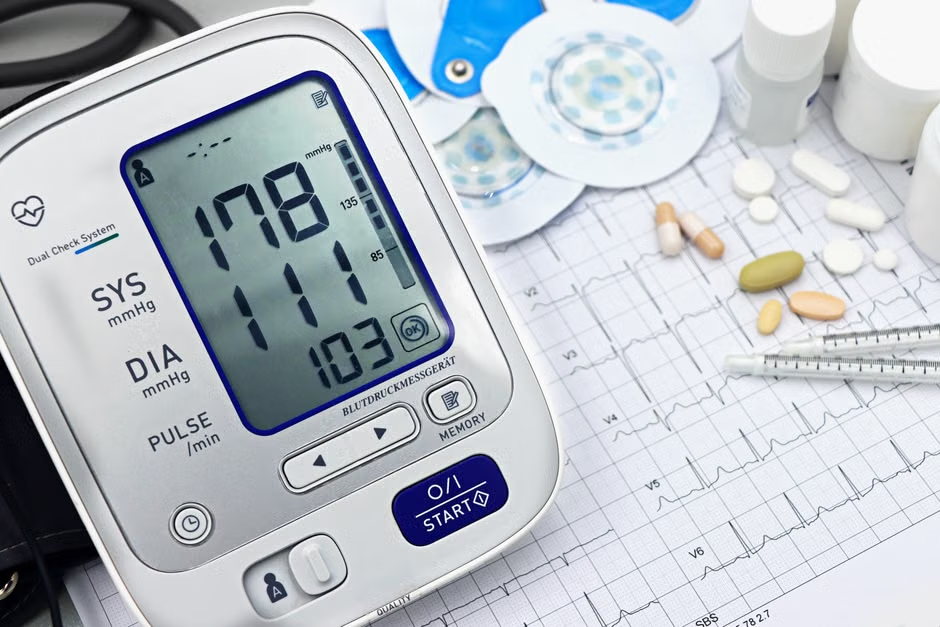
When pharmaceutical packaging truly supports medication adherence for high blood pressure, you can expect noticeable improvements, often over weeks to months. It’s not an overnight miracle, but a steady progression towards consistent medication taking. For instance, research highlighted by the European Society of Cardiology indicates that improved adherence to high blood pressure medication can lead to a significant 25% reduction in cardiovascular risk. This is a powerful testament to packaging’s potential.
What does this mean in real terms? We’re talking about fewer missed doses, improved blood pressure readings during routine check-ups, and a reduced likelihood of emergency room visits related to uncontrolled hypertension. While individual results vary, consistent use of patient-friendly packaging is a crucial step towards achieving these tangible health benefits. It’s about long-term health management, supported by practical, packaging-based innovation.
Practical Tips for Enhancing Medication Compliance Through Packaging
Turning knowledge into action is key. Here are some practical steps for pharmaceutical manufacturers and healthcare practitioners to consider when designing or recommending packaging for high blood pressure medication:
- **Prioritize Legibility:** Ensure all text, especially dosage instructions and warnings, is in a clear, large font with high contrast.
- **Incorporate Visual Cues:** Use color-coding, pictograms, or clearly marked days of the week on blister packs to guide patients.
- **Evaluate Ergonomics:** Design packaging that is easy to open and handle, considering the needs of an aging population or those with limited dexterity.
- **Enhance Portability:** Create discreet, compact packaging options that patients can easily carry, reducing barriers to taking medication away from home.
- **Provide Dose Tracking:** Integrate features that allow patients to easily see their medication progress, like peel-off sections or daily reminders on the pack.
- **Test with Target Users:** Conduct user testing with actual patients to gather feedback on ease of use and potential adherence barriers.
These strategies help facilitate the use of packaging solutions, transforming a simple container into an active partner in patient care.
The journey towards optimal patient medication compliance for high blood pressure is complex, but the role of pharmaceutical packaging is undeniably central. By embracing patient-centered design and leveraging practical, packaging-based innovations, we can significantly improve adherence rates across Europe. This commitment to helping patients take their medications as prescribed doesn’t just reduce the economic burden on healthcare systems; it profoundly impacts individual lives, leading to healthier communities and better outcomes for everyone. Renato Lemay, a contributor to HCPC Europe, emphasizes that our collective efforts in this area are paramount for advancing public health.