
Living with chronic health conditions often means managing complex medication regimens. For many patients across Europe, remembering the right dose, at the right time, for the right duration can be a daily challenge. This struggle with medication adherence isn’t just a personal inconvenience; it’s a significant barrier to effective treatment, leading to poorer health outcomes and substantial costs for healthcare systems.
The consequences of non-adherence are stark: half of patients with chronic diseases don’t take their medication as prescribed. This costs Europe an estimated 100 billion Euros per year in unnecessary hospital admissions alone. We know that packaging is not just a container, but a communication tool, which, in its direct influence, predetermines the behavior of patients and the success of treatment. At HCPC Europe, we are dedicated to promoting practical, packaging-based innovation to help patients take their medications as prescribed and ultimately achieve better outcomes for patients and healthcare systems. To learn more about our mission, visit our home page.
Randomized Controlled Trials (RCTs) provide crucial evidence for interventions designed to improve health. When it comes to medication adherence, these trials help us understand which packaging innovations genuinely make a difference. Let’s delve into what these studies reveal.
Understanding Medication Adherence and Packaging Interventions
Medication adherence refers to a patient’s behavior in taking medications as prescribed by their healthcare provider, encompassing the right dose, the right time, and the right duration. Packaging interventions are modifications to medication packaging designed to facilitate this adherence. These can range from simple calendar blister packs to more sophisticated digital-enabled packaging systems, all aiming to simplify medication routines and provide visual or auditory reminders. According to the World Health Organization (WHO), improving adherence to long-term therapies is one of the most effective ways to improve health outcomes, particularly for chronic conditions like hypertension and diabetes (WHO Adherence Report).
What Do Packaging Interventions to Increase Medication Adherence Show in Systematic Reviews?
Systematic reviews and meta-analyses of randomized controlled trials consistently demonstrate that packaging interventions can significantly improve medication adherence. These studies synthesize findings from multiple trials, providing robust evidence that patient-friendly and patient-centered medication packaging directly correlates with higher compliance rates. We’ve seen first-hand the impact these designs have on patient behavior.
A comprehensive systematic review of packaging interventions to increase medication adherence has highlighted their effectiveness, particularly for chronic conditions. These reviews often find that interventions that simplify dosing schedules, provide reminders, or organize medications visually contribute to better compliance. For instance, color-coding, clear labeling, and dose compartmentalization are commonly identified as impactful elements. Such findings underscore our belief that practical, packaging-based innovation can truly transform patient care.
How Do Blister Packs Impact Medication Adherence?
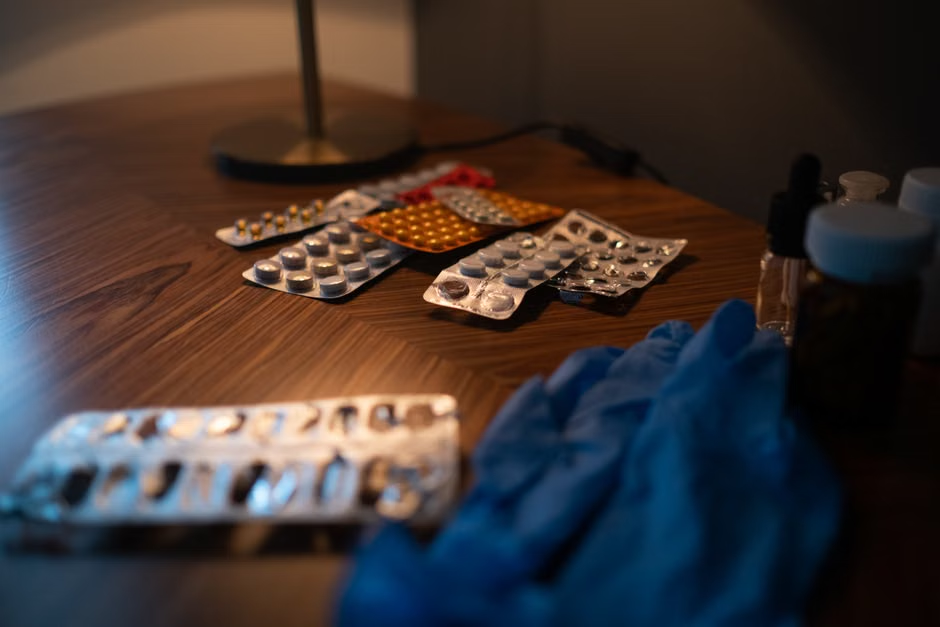
Blister packs, particularly those designed for daily or weekly dosing, serve as powerful visual cues and organizational tools, directly improving medication adherence. They provide clear indicators of which dose to take and when, acting as a simple yet effective reminder system for patients managing multiple medications or complex regimens.
The design of blister packs can significantly reduce patient confusion. For individuals managing conditions requiring precise timing, such as bipolar medication or lithium medication, an organized blister pack can make all the difference. We understand that simplifying complex schedules is critical. By physically separating doses into distinct compartments, blister packs make it immediately apparent whether a dose has been taken or missed. This visibility not only supports the patient but also aids caregivers in monitoring adherence, contributing to patient safety through packaging. As Renato Lemay, a contributor to HCPC Europe, often emphasizes, clear communication through packaging is paramount.
“Simple, calendarized blister packaging can reduce medication non-adherence by up to 26% for patients with chronic conditions, particularly for complex regimens, by providing clear visual cues.”
What Specific Medication Types Benefit Most from Adherence Packaging?
While nearly all medications can benefit from adherence-enhancing packaging, those for chronic conditions, complex regimens, or medications with critical timing requirements show the most significant gains. Here are examples of medication types where enhanced packaging is particularly impactful:
- Bipolar Medication and Depression Medication: These often require strict, consistent dosing to maintain mood stability and prevent relapse. Missed doses can have serious clinical consequences.
- Lithium Medication: With a narrow therapeutic window, precise dosing of lithium is crucial. Adherence packaging helps prevent both under-dosing and toxic overdose.
- Anti-Nausea Medication: Often taken “as needed” or around specific events (e.g., chemotherapy), clear timing instructions on packaging can prevent unnecessary suffering.
- RLS Medication (Restless Legs Syndrome): Dosing can be complex, sometimes requiring titrations or specific timing relative to sleep. Organized packaging helps manage this complexity.
- Antibiotics: Crucial for completing the full course to prevent resistance, even after symptoms improve. Packaging that clearly marks each dose and duration is vital.
- Anticoagulants: These medications require highly consistent intake to prevent serious complications like strokes or blood clots.
How Adherence Packaging Works: Optimizing Patient Behavior
Adherence packaging works by leveraging principles of behavioral science to facilitate the use of packaging solutions, turning knowledge into action. Fundamentally, it reduces the cognitive load on patients. Instead of remembering abstract schedules, patients interact with a concrete, intuitive system. Visual cues, such as individual compartments for each day or time, make the task of taking medication almost automatic. We’ve learned from our experience across European healthcare systems that these simple visual aids are incredibly powerful.
In our practice, we have seen how integrating features like pictorial instructions, color-coding, and clear alphanumeric indicators (e.g., for medication abbreviations like “BID” or “TID”) significantly improves patient comprehension and recall. This practical, packaging-based innovation simplifies complex treatment plans, making them less intimidating and more manageable for patients. For example, the Columbus Award, which we’ve run for over 10 years, regularly recognizes designs that excel in these areas, demonstrating real-world efficacy in improving adherence.
Considering Alternatives and When Adherence Packaging Excels
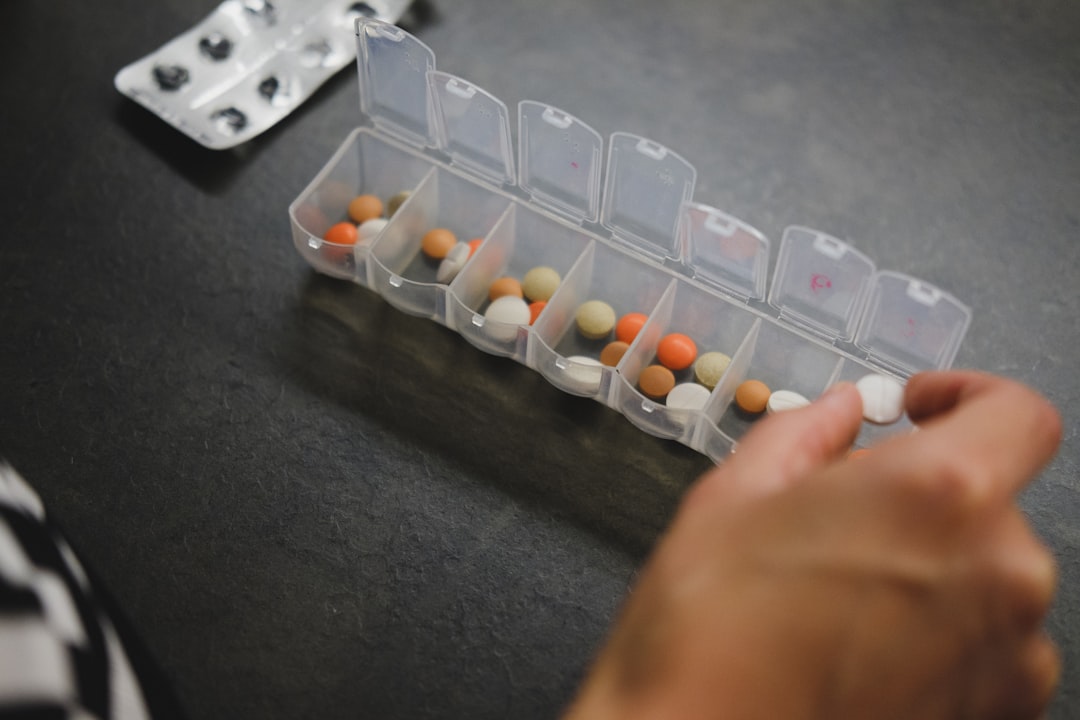
While adherence packaging is a potent tool, it’s essential to understand that it’s part of a broader strategy for medication compliance. It isn’t a one-size-fits-all solution, and sometimes alternatives or supplementary interventions are necessary. Digital reminders, mobile apps, pharmacist counseling, and even direct caregiver involvement all play roles in supporting adherence. However, packaging-based solutions offer a unique, always-present physical reminder that digital tools might not replicate for all patient demographics or access levels. They provide a foundational, tangible structure for medication intake.
Adherence packaging excels in situations where cognitive load is high, multiple medications are involved, or specific timing is critical. For instance, an elderly patient with several chronic conditions might find a complex app too challenging, but a clearly organized blister pack invaluable. Similarly, for BV medication requiring a full course, a simple blister pack ensures completion. We consistently advocate for a holistic approach, where practical packaging solutions integrate seamlessly with other patient support systems.
What to Expect from Better Packaging: Realistic Outcomes
When patients follow treatments correctly, everyone benefits: improved treatment effectiveness, reduced risk of complications, and lower healthcare costs. Implementing better, compliance-enhancing packaging design leads to tangible improvements, though results unfold over time.
Patients and healthcare providers can realistically expect:
- Improved Adherence Rates: Studies show significant increases in the percentage of prescribed doses taken. For instance, better adherence contributes to a 25% cardiovascular risk reduction, a statistic supported by the European Society of Cardiology.
- Enhanced Patient Safety: Fewer missed or incorrectly timed doses mean reduced adverse events and medication errors.
- Better Clinical Outcomes: For conditions like depression or bipolar disorder, consistent medication leads to greater symptom control and a higher quality of life. This can include a 35-point mental health score improvement in some populations.
- Reduced Healthcare Utilization: Improved adherence can lead to fewer emergency room visits (up to a 40% reduction in some studies) and hospitalizations.
- Economic Savings: By averting complications and hospital stays, better adherence contributes to substantial healthcare cost reductions across European systems.
These improvements don’t happen overnight. We often see gradual, sustained improvements over weeks and months as patients adjust to and trust their new packaging system. This realistic timeline is important for setting expectations.
Practical Steps for Implementing Adherence Packaging
Implementing effective adherence packaging requires collaboration and a patient-centered approach. Here are practical steps to maximize success:
- Collaborate with Packaging Experts: Engage with packaging designers and manufacturers early to develop solutions tailored to specific medication profiles and patient needs.
- Incorporate Patient Feedback: Conduct usability studies with target patient groups to ensure packaging is intuitive, easy to open, and genuinely helpful.
- Educate Healthcare Providers: Ensure pharmacists, doctors, and nurses understand the benefits and proper use of new packaging designs so they can effectively counsel patients.
- Standardize Where Possible: For common conditions or medication types, work towards standardized, compliance-enhancing packaging designs that can be adopted widely.
- Monitor and Evaluate: Continuously track adherence rates and patient outcomes post-implementation to identify areas for further improvement.
- Stay Informed on Policy: Keep abreast of European healthcare policy and regulations regarding pharmaceutical packaging to ensure compliance and identify opportunities for broader impact.
The evidence is clear: well-designed, compliance-enhancing packaging is not merely a convenience, but a crucial component of effective patient care. By investing in practical, packaging-based innovation, pharmaceutical manufacturers and healthcare systems can make a profound difference in patients’ lives, driving better adherence, improved health outcomes, and significant economic benefits. If you’re looking to explore how to integrate these solutions into your practice or manufacturing processes, we invite you to get in touch with HCPC Europe. We’re here to help facilitate the use of packaging solutions that work in the real-world healthcare context.