

For millions across Europe, managing daily medication can be a complex challenge. Remembering to take the right dose, at the right time, for the right duration isn’t always easy, especially with multiple prescriptions or busy lifestyles. This challenge, known as medication non-adherence, contributes significantly to poor health outcomes and considerable costs within our healthcare systems.
The consequences are stark: studies indicate that half of patients with chronic diseases do not take their medication as prescribed, and this absenteeism costs Europe an estimated 100 billion Euros per year in unnecessary hospital admissions and extended treatments. This is why we at HCPC Europe are dedicated to practical, packaging-based innovation and exploring all tools that facilitate the use of medication solutions, including digital ones, to help patients take their medications as prescribed.
While our core focus remains on the power of packaging as a crucial communication tool, we recognize that digital solutions, particularly mobile apps, play an increasingly vital role in supporting patient compliance. These apps offer new avenues to address long-standing adherence issues, working in tandem with patient-friendly and patient-centered medication packaging to reinforce positive patient behavior. Understanding why medication adherence matters more than you think reveals the full scope of this issue and the potential for innovative solutions like why medication adherence matters.
What Are Medication Adherence Apps?
Medication adherence apps are digital applications designed to help patients manage their medication schedules, remember doses, and track their adherence over time. These apps typically run on smartphones or tablets, offering features like reminders, educational content, and progress tracking to support patients in taking their medications correctly.
These digital tools serve as personal assistants, making it easier for patients to follow complex treatment regimens. They don’t just remind; they educate, motivate, and provide a clear record of compliance, which can be invaluable for both patients and healthcare providers. The World Health Organization (WHO) defines adherence to long-term therapies as “the extent to which a person’s behavior – taking medication, following a diet, and/or executing lifestyle changes – coincides with agreed recommendations from a health care provider.” Adherence apps aim to directly support this behavior by providing structured support.
In our practice, we’ve observed that the most effective solutions integrate seamlessly into a patient’s daily life, complementing other adherence strategies like intelligent pharmaceutical packaging. We’ve seen, for instance, how packaging can communicate dosing instructions visually, while an app provides timely prompts and educational reinforcement. Renato Lemay, a contributor to HCPC Europe on medication adherence, often highlights how packaging is not just a container, but a communication tool that can directly influence patient behavior.
How Do Mobile Apps Improve Medication Adherence?
Mobile apps enhance medication adherence by providing timely reminders, offering educational resources, and tracking patient progress, thereby reducing forgetfulness and increasing patient engagement with their treatment plans. This multi-faceted approach addresses various barriers to adherence, from simple forgetfulness to a lack of understanding about treatment importance.
At their core, these apps tackle one of the biggest adherence challenges: memory. A simple notification at the scheduled dose time can make all the difference. But their capabilities extend beyond just reminders. Many apps include features like:
- Personalized Reminders: Custom alerts for different medications, often with options for alarms, calls, or text messages.
- Educational Content: Information about medications, their purpose, potential side effects, and why the right dose, the right time, and the right duration are critical.
- Progress Tracking: Digital logs that record when doses are taken, skipped, or delayed, offering valuable insights for patients and their clinicians.
- Refill Reminders: Alerts when it’s time to reorder prescriptions, preventing gaps in treatment.
- Integration Capabilities: Some apps can integrate with other health devices or electronic health records, providing a holistic view of a patient’s health.
This kind of practical, packaging-based innovation, when combined with digital support, moves us closer to better outcomes for patients and healthcare systems. We covered similar digital approaches in our guide to adherence tracking methods, exploring everything from paper diaries to sophisticated digital health records.
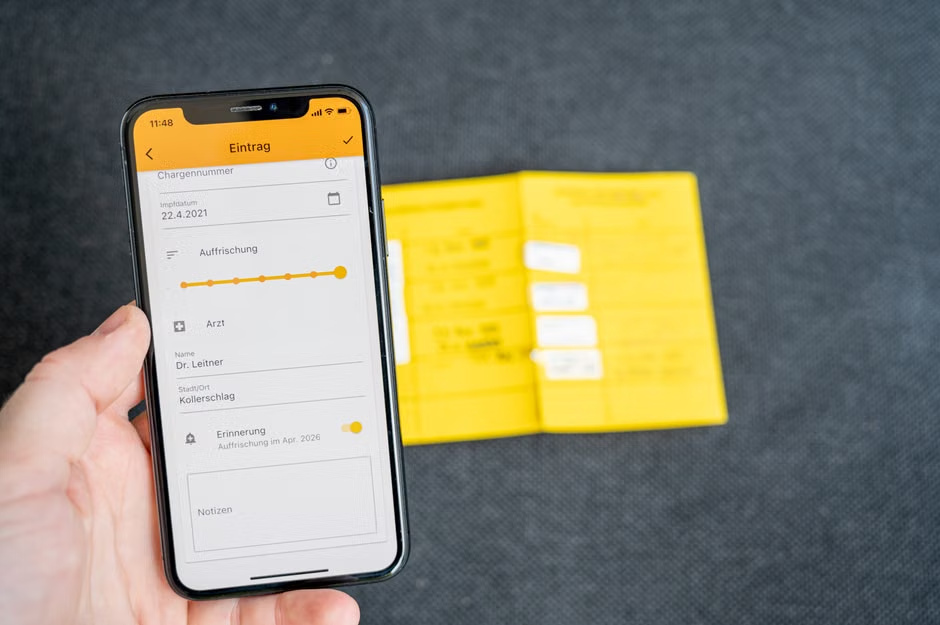
“Digital health technologies, including mobile apps, have demonstrated significant potential in improving medication adherence, especially for chronic conditions. They provide personalized support that traditional methods often cannot match.”
What Features Should European Healthcare Providers Look For in Adherence Apps?
When evaluating medication adherence apps for European patients, healthcare providers should prioritize features that ensure data security and privacy, support multilingualism, and integrate seamlessly with existing healthcare infrastructures. Robust functionality, ease of use, and scientific validation are also paramount.
Identifying the most suitable apps requires a careful assessment of several key attributes:
- Regulatory Compliance and Data Security: Apps must comply with GDPR and other European data protection regulations. Patient data privacy is non-negotiable.
- Multilingual Support: Europe is diverse. Apps should offer multiple language options to cater to different patient populations.
- Ease of Use (User Experience): A complex app will deter users. Intuitive interfaces and simple navigation are critical for patient adoption and sustained use.
- Reliable Notification System: Reminders must be consistent and configurable, offering various alert types (auditory, visual, haptic).
- Medication Database: A comprehensive, up-to-date database of European medications, potentially with drug-specific information and images.
- Reporting and Analytics: Ability to generate adherence reports for patients to share with their healthcare providers. This facilitates informed clinical decisions.
- Interoperability: Potential for integration with electronic health records (EHRs) or other digital health platforms, streamlining data flow for clinicians.
For patients with specific needs, such as those managing cardiovascular medications, the choice of app can significantly impact treatment success. As we’ve highlighted in our discussions on cardiovascular medication adherence, the right support tool can contribute to a 25% risk reduction for certain cardiovascular events, according to the European Society of Cardiology.
What Are the Challenges and Limitations of Using Apps for Adherence?
Despite their potential, mobile apps for medication adherence face challenges, including patient digital literacy, data privacy concerns, the risk of “app fatigue,” and the need for robust scientific validation. No single solution, digital or otherwise, is a magic bullet for the complex issue of non-adherence.
While apps offer compelling advantages, they aren’t without their drawbacks. We recognize that while digital tools are powerful, they are part of a broader ecosystem of patient support. Some critical limitations include:
- Digital Divide: Not all patients have access to smartphones, reliable internet, or the digital literacy required to use complex apps effectively.
- Data Overload and Fatigue: Too many notifications or overly complicated tracking features can overwhelm patients, leading to disengagement.
- Lack of Personalization: Generic apps may not cater to the specific needs of patients with rare diseases or highly individualized treatment plans.
- Validation and Efficacy: While promising, many apps lack rigorous clinical trials demonstrating long-term effectiveness. This is why our Research & Best Practices program emphasizes compliance-focused studies that promote novel compliance enhancement methods with evidence. We always advocate for the kind of rigorous evaluation seen in randomized controlled trials in medication adherence packaging.
- Integration Hurdles: Seamless integration with diverse European healthcare IT systems can be technically challenging and costly.
For these reasons, a balanced approach is crucial. Packaging-based solutions, like blister packs with visual cues or smart labels, remain foundational. They don’t require a smartphone, internet access, or technical savvy, offering universal applicability. The Columbus Award, which we’ve run for over 10 years, consistently recognizes practical, packaging-based innovations that directly address adherence challenges in real-world healthcare contexts. We’ve seen award winners like Pfizer and Novartis demonstrate remarkable improvements in patient outcomes through patient-centered packaging designs.
How Can Healthcare Systems Integrate Adherence Apps Effectively?
Effective integration of adherence apps within European healthcare systems requires clear policy guidelines, collaboration between app developers and healthcare providers, patient education, and a focus on interoperability with existing digital health records. Starting with pilot programs and gathering user feedback is essential.
Integrating these apps isn’t just about technical deployment; it’s about cultural and operational shifts. Here are some practical steps healthcare systems and pharmaceutical manufacturers can take:
- Establish Clear Guidelines: Develop and disseminate recommendations for app selection, data security, and patient privacy in line with national and EU regulations.
- Foster Collaboration: Encourage partnerships between app developers, pharmaceutical companies, healthcare providers, and patient advocacy groups to create truly patient-friendly solutions.
- Provide Patient Education and Support: Teach patients how to use the apps, explain their benefits, and offer ongoing technical assistance.
- Prioritize Interoperability: Advocate for app designs that can exchange data with electronic health records (EHRs), allowing clinicians to monitor adherence data more easily.
- Conduct Pilot Programs: Implement small-scale trials to test app effectiveness, gather user feedback, and refine integration strategies before wider rollout.
- Measure Outcomes: Continuously evaluate the impact of app usage on adherence rates, treatment effectiveness, and healthcare costs to demonstrate value. Improved treatment effectiveness and reduced risk of complications are clear benefits of better adherence, ultimately leading to lower healthcare costs, as we detailed in our analysis of treatment efficacy gains from improved medication adherence.
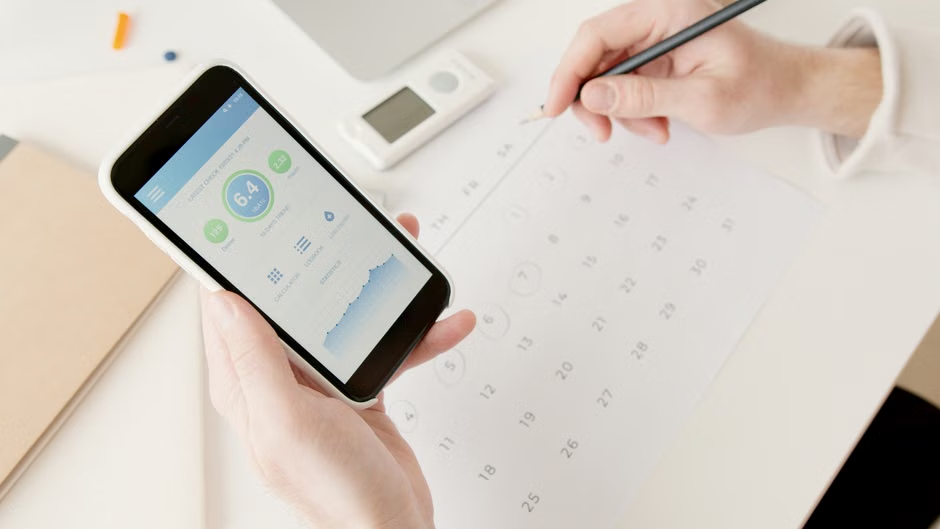
“The future of medication adherence will undoubtedly involve a blend of innovative packaging and digital tools. The synergy between these elements can create a powerful support system for patients, ensuring they receive the full benefit of their prescribed therapies.”
We’ve found that when healthcare professionals actively endorse and help patients set up these my apps, adoption rates and sustained use are much higher. It’s about empowering patients with tools they trust and understand, making the commitment to the right dose, the right time, the right duration a shared goal.
The journey towards optimal medication adherence in Europe is ongoing, and my apps represent a significant step forward. By embracing these digital solutions thoughtfully and integrating them with proven packaging-based strategies, we can collectively work towards better outcomes for patients and healthcare systems across the continent. HCPC Europe continues to facilitate the use of packaging solutions and promote patient compliance through practical, packaging-based innovation, recognizing that a holistic approach, which includes digital tools, is key to helping patients take their medications as prescribed.