
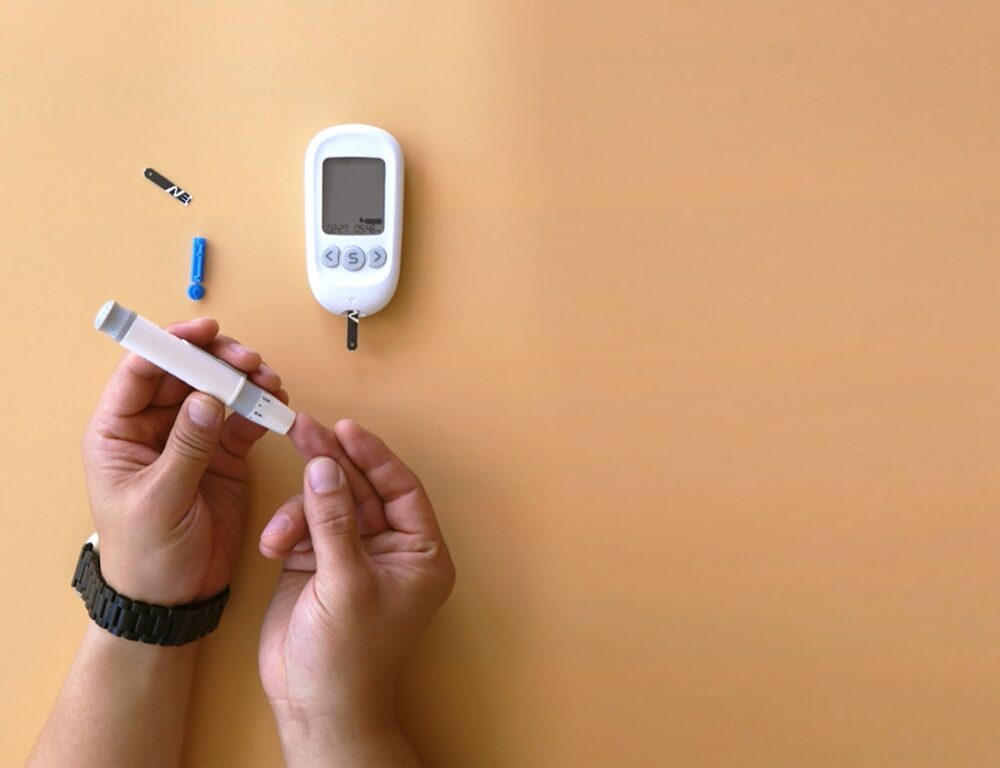
Managing diabetes effectively requires consistent effort, especially when it comes to medication adherence. Patients often grapple with complex treatment regimens, which can involve multiple medications, varying dosages, and specific timing requirements. This complexity can lead to missed doses, incorrect administration, and ultimately, suboptimal health outcomes.
For individuals living with diabetes, missing even a single dose can disrupt blood sugar control, leading to complications and a decline in quality of life. We understand these challenges. At HCPC Europe, we are dedicated to fostering practical, packaging-based innovation and other supportive strategies to help patients take their medications as prescribed, ensuring they receive the right dose, the right time, the right duration.
By leveraging smart solutions, we can bridge the gap between prescribed treatment and actual patient behavior. This is crucial for chronic conditions like diabetes, where sustained adherence is directly linked to better health, as we explain in our post on Chronic Disease Adherence: Patterns Across Cancer, Diabetes, and Hypertension.
What Exactly Is Medication Adherence in Diabetes Management?
Medication adherence in diabetes management refers to the extent to which patients take their medications as prescribed by their healthcare provider—meaning the right dose, the right time, and for the right duration. For individuals with diabetes, this encompasses insulin injections, oral hypoglycemic agents, and other supportive therapies designed to control blood glucose levels and manage associated conditions.
Non-adherence is a widespread issue, particularly in chronic disease management. Research indicates that approximately half of patients with chronic diseases do not adhere to their prescribed medication regimens, contributing to significant healthcare costs and avoidable complications across Europe. This isn’t just a clinical problem; it’s an economic burden. The World Health Organization (WHO) highlights adherence as a major factor in treatment effectiveness, noting that increasing the effectiveness of adherence interventions may have a far greater impact on the health of the population than any improvement in specific medical treatments (WHO Adherence Report).
Our focus at HCPC Europe is on understanding the barriers to adherence and developing practical solutions. We believe packaging is not just a container, but a communication tool that can directly influence patient behavior and the success of treatment. Improving adherence is a cornerstone of effective diabetes care, preventing complications, and improving patient quality of life.
What Are the Key Signs and Symptoms of Diabetes?
Recognizing the signs and symptoms of diabetes is crucial for early diagnosis and intervention, which directly impacts a patient’s long-term health and medication adherence journey. Both type 1 and type 2 diabetes share some common indicators, reflecting the body’s struggle to manage blood glucose levels effectively.
Diabetes mellitus is a chronic condition characterized by elevated blood glucose levels, resulting from either insufficient insulin production or the body’s ineffective use of insulin. Understanding these signs can help healthcare providers and patients identify the condition sooner, leading to more timely and effective management strategies, including the proper use of prescribed medications.
Common signs and symptoms of diabetes include:
- Increased thirst (polydipsia)
- Frequent urination (polyuria), especially at night
- Unexplained weight loss
- Extreme hunger (polyphagia)
- Blurred vision
- Slow-healing sores or frequent infections
- Fatigue and weakness
- Tingling or numbness in the hands or feet
- Dry skin
For type 1 diabetes, symptoms often develop quickly and can be severe. Type 2 diabetes, however, may develop slowly over years, with symptoms often mild or even unnoticeable initially, leading to delayed diagnosis. This insidious onset means patients may not experience significant pain points until complications arise, making it harder to establish robust adherence habits from the outset.
How Do Reminder Systems Boost Adherence in Diabetes Management?
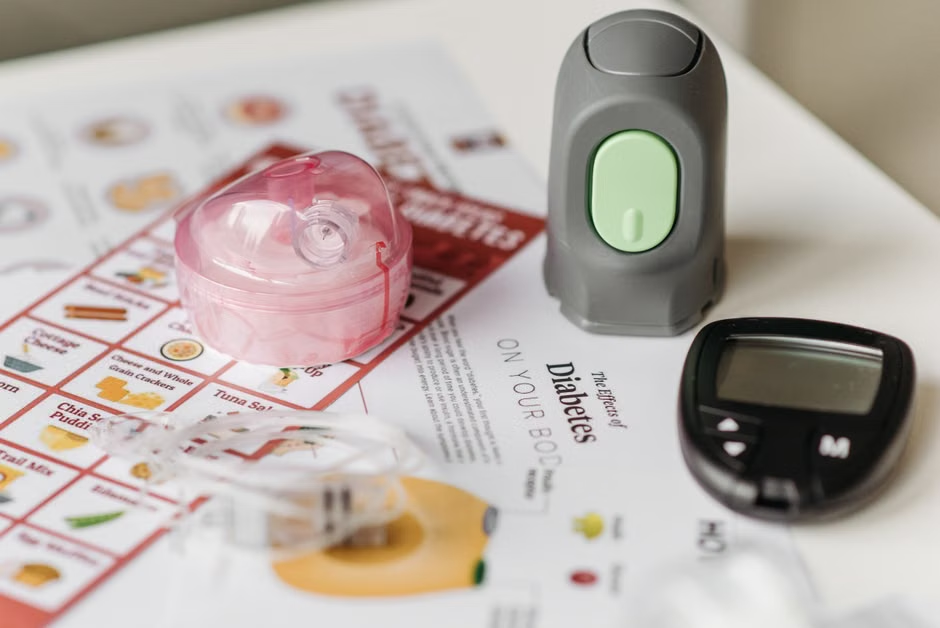
Reminder systems significantly improve medication adherence in diabetes management by providing timely cues and structured support, helping patients remember when and how to take their medications. These systems combat forgetfulness, a primary barrier to adherence, and empower patients to integrate complex regimens into their daily lives with greater ease and consistency.
We’ve observed that simple, practical interventions often yield the most profound results. Medication reminder systems can take various forms, from low-tech solutions to sophisticated digital platforms. Their core function is to prompt the patient at critical moments—the right time for the right dose. This consistent prompting helps to build routine and reinforces the desired behavior, which is essential for long-term conditions like diabetes.
Consider the benefits:
- **Visual Reminders:** Blister packs, daily dose organizers, and pre-sorted medication pouches make it visually clear whether a dose has been taken. This type of compliance enhancing packaging design minimizes confusion and reduces the cognitive load on the patient.
- **Auditory Reminders:** Alarms on smartphones, smartwatches, or specialized medication dispensers can provide audible prompts at scheduled times. These are particularly useful for patients with busy schedules or those managing multiple daily doses.
- **Digital Reminders:** Mobile applications offer personalized alerts, tracking capabilities, and even educational content. Some apps integrate with virtual home assistants, leveraging voice commands and smart technology for a seamless reminder experience. This mixed methods approach, combining both self-reported and objective adherence data, has shown promise in evaluation studies.
- **Caregiver Support:** For some patients, particularly the elderly or those with cognitive impairments, reminder systems can also involve caregivers, ensuring a shared responsibility in medication management.
These systems don’t just remind; they reduce the mental burden of remembering. As Renato Lemay, a healthcare writer contributing to HCPC Europe, often notes, helping patients take their medications as prescribed is a collective effort, with practical, packaging-based innovation playing a pivotal role. Our Research & Best Practices program continually assesses how these innovations translate into real-world healthcare contexts, driving better outcomes for patients and healthcare systems alike.
“Patients are more likely to adhere to complex medication regimens when provided with tangible support and clear, consistent reminders. Simplifying the process through well-designed packaging and accessible technology is key to improving daily compliance.”
What Are the Different Types of Diabetes Medications?
Diabetes management typically involves a range of medications tailored to the individual’s specific type of diabetes, severity, and overall health profile. These medications work through various mechanisms to control blood glucose levels and prevent complications, requiring careful adherence for optimal effectiveness.
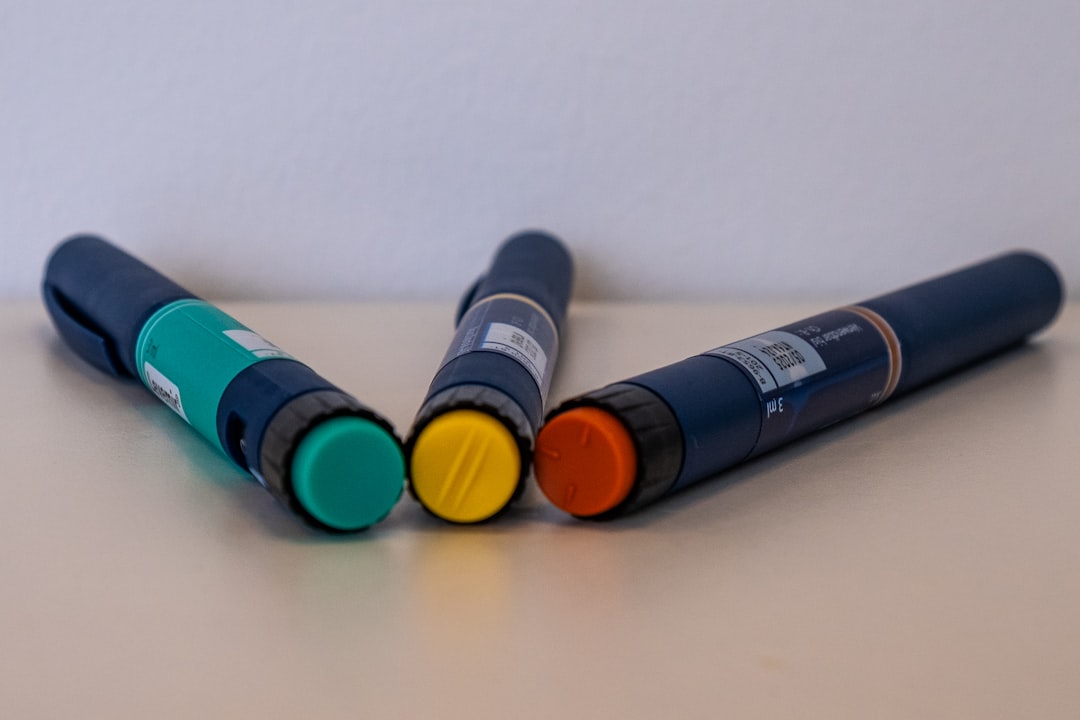
For individuals with type 1 diabetes, insulin therapy is essential as their bodies produce little to no insulin. Patients often use multiple daily injections or insulin pumps to mimic the body’s natural insulin release. For type 2 diabetes, treatment often begins with lifestyle modifications, followed by oral medications, and sometimes injectable medications, including insulin, as the disease progresses.
Common categories of diabetes medications include:
- **Metformin:** Often the first-line treatment for type 2 diabetes, it reduces glucose production by the liver and improves insulin sensitivity.
- **Sulfonylureas:** These stimulate the pancreas to produce more insulin.
- **GLP-1 Receptor Agonists (injectable):** These mimic an intestinal hormone that increases insulin release, decreases glucagon secretion, and slows gastric emptying.
- **SGLT2 Inhibitors:** They work by causing the kidneys to remove sugar from the body through the urine.
- **DPP-4 Inhibitors:** These help the body make more insulin after meals and decrease the amount of glucose produced by the liver.
- **Thiazolidinediones (TZDs):** They improve insulin sensitivity in muscle and fat cells.
- **Insulin:** Available in various forms (rapid-acting, short-acting, intermediate-acting, long-acting), insulin replaces or supplements the insulin the body cannot produce.
Each of these medications has its own dosing schedule, potential side effects, and administration method, making a robust reminder system and patient education absolutely vital for sustained adherence. Our work, including the analysis of packaging design elements like printing and color-coding, directly supports the clear and safe use of these diverse treatments.
Beyond Reminders: A Holistic Approach to Diabetes Adherence
While reminder systems are powerful tools for improving medication adherence, they are rarely a standalone solution for the complex challenges of diabetes management. True adherence requires a multifaceted approach, acknowledging that patient behavior is influenced by numerous factors beyond simple forgetfulness.
We believe in patient-friendly and patient-centered medication packaging that complements broader support strategies. This includes comprehensive patient education, where individuals learn about their condition, the purpose of their medications, and the potential consequences of non-adherence. Healthcare practitioners play a crucial role in explaining the treatment plan clearly and addressing patient concerns, a topic explored in our post on Treatment Efficacy Gains From Improved Medication Adherence.
Furthermore, simplifying treatment regimens whenever possible, fostering strong patient-provider relationships, and addressing socioeconomic barriers are all vital components. Alternatives to purely technical reminders might include: regularly scheduled pharmacist consultations, peer support groups, or even family involvement in medication oversight. Our experience across European healthcare systems consistently shows that a collaborative ecosystem, involving patients, healthcare providers, and pharmaceutical manufacturers, yields the best results.
“Effective diabetes management goes beyond just prescribing medication; it demands a patient-centered approach that encompasses education, support, and practical tools to ensure consistent adherence. No single solution fits all, but a combination of strategies tailored to individual needs is most impactful.”
— National Institute of Diabetes and Digestive and Kidney Diseases (NIDDK)
What to Expect from Improved Adherence in Diabetes Management
When patients consistently adhere to their diabetes medication regimens, the benefits ripple across individual health and healthcare systems. Improved adherence doesn’t promise a cure, but it delivers significantly better health outcomes, greater stability, and a reduced burden of complications.
Realistically, patients can expect to see more stable blood glucose levels, which is a primary indicator of effective diabetes control. This stability translates directly into a reduced risk of serious complications such as cardiovascular disease, kidney damage, nerve damage, and vision loss. The European Society of Cardiology, for instance, cites that improved adherence to cardiovascular medications can reduce risk by as much as 25%, a principle that extends to the cardiovascular complications often associated with diabetes.
Over time—typically within months of establishing consistent adherence—patients often report an improvement in their overall well-being, including increased energy and reduced diabetes-related symptoms. For healthcare systems, this means a significant reduction in emergency room visits and hospital admissions related to diabetes complications, lowering the economic burden associated with non-adherence, as detailed in The Cost of Non-Adherence: Economic Impact Across European Healthcare Systems. Our work with the Columbus Award winners for over 10 years has demonstrated how practical, packaging-based innovation directly contributes to these better outcomes.
Practical Tips for Integrating Reminder Systems into Diabetes Care
Successfully integrating reminder systems into a patient’s daily routine can transform their diabetes management. Here are some practical tips we’ve gathered from our work convening practitioners, industry players, and policymakers across Europe:
- **Personalize the System:** Work with patients to choose a reminder system that fits their lifestyle, tech comfort, and medication schedule. A simple pillbox might be perfect for some, while a sophisticated app suits others.
- **Combine Reminders:** Don’t rely on a single method. Use a combination of visual cues (like dose-organized packaging), auditory alerts (phone alarms), and digital prompts to create redundancy.
- **Educate on “Why”:** Beyond just “when” and “how,” ensure patients understand the importance of each medication and the impact of missed doses. This intrinsic motivation reinforces external reminders.
- **Involve Support Networks:** Encourage family members or trusted friends to act as secondary reminders, especially for older patients or those with memory challenges.
- **Regular Review and Adjustment:** Medication regimens can change. Periodically review the reminder system with the patient to ensure it remains effective and adaptable to new prescriptions or lifestyle shifts.
- **Leverage Smart Packaging:** Promote the use of compliance-enhancing packaging designs that feature clear labeling, color-coding, or even integrated electronic reminders, making the right dose, the right time, the right duration easier to achieve.
By implementing these strategies, we can help facilitate the use of packaging solutions and other reminder systems, turning knowledge into action and significantly improving the patient’s adherence journey.
Effective diabetes management hinges on consistent medication adherence. Reminder systems, whether simple or high-tech, are invaluable tools that empower patients to stay on track, leading to more stable health, fewer complications, and a better quality of life. At HCPC Europe, we continue to collaborate with the healthcare, industry, and policy sectors to promote patient compliance through practical, packaging-based innovation, ensuring that these vital solutions reach the patients who need them most across Europe.